Maximum Efficiency – Supply Chain for Electronic Components
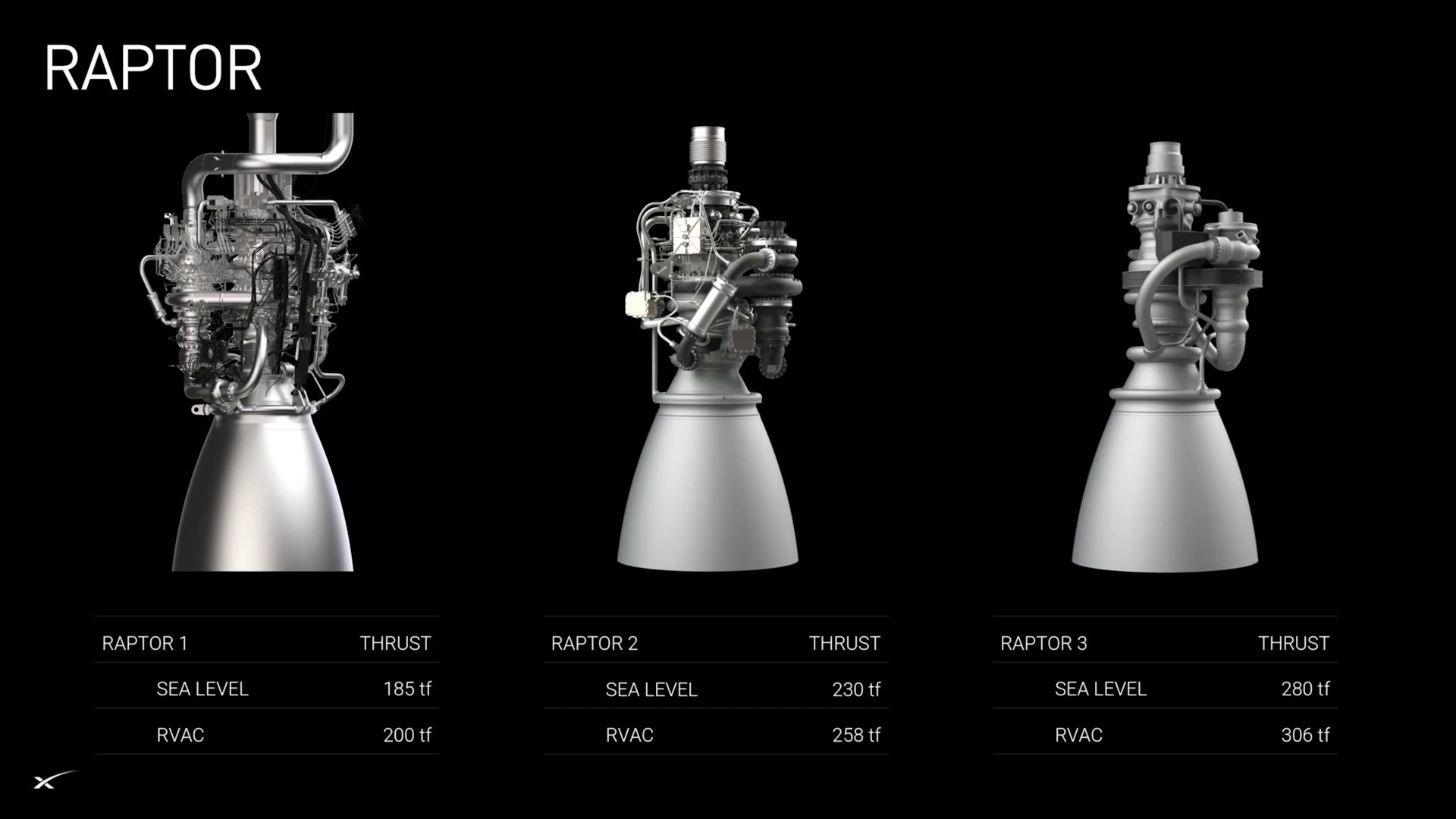
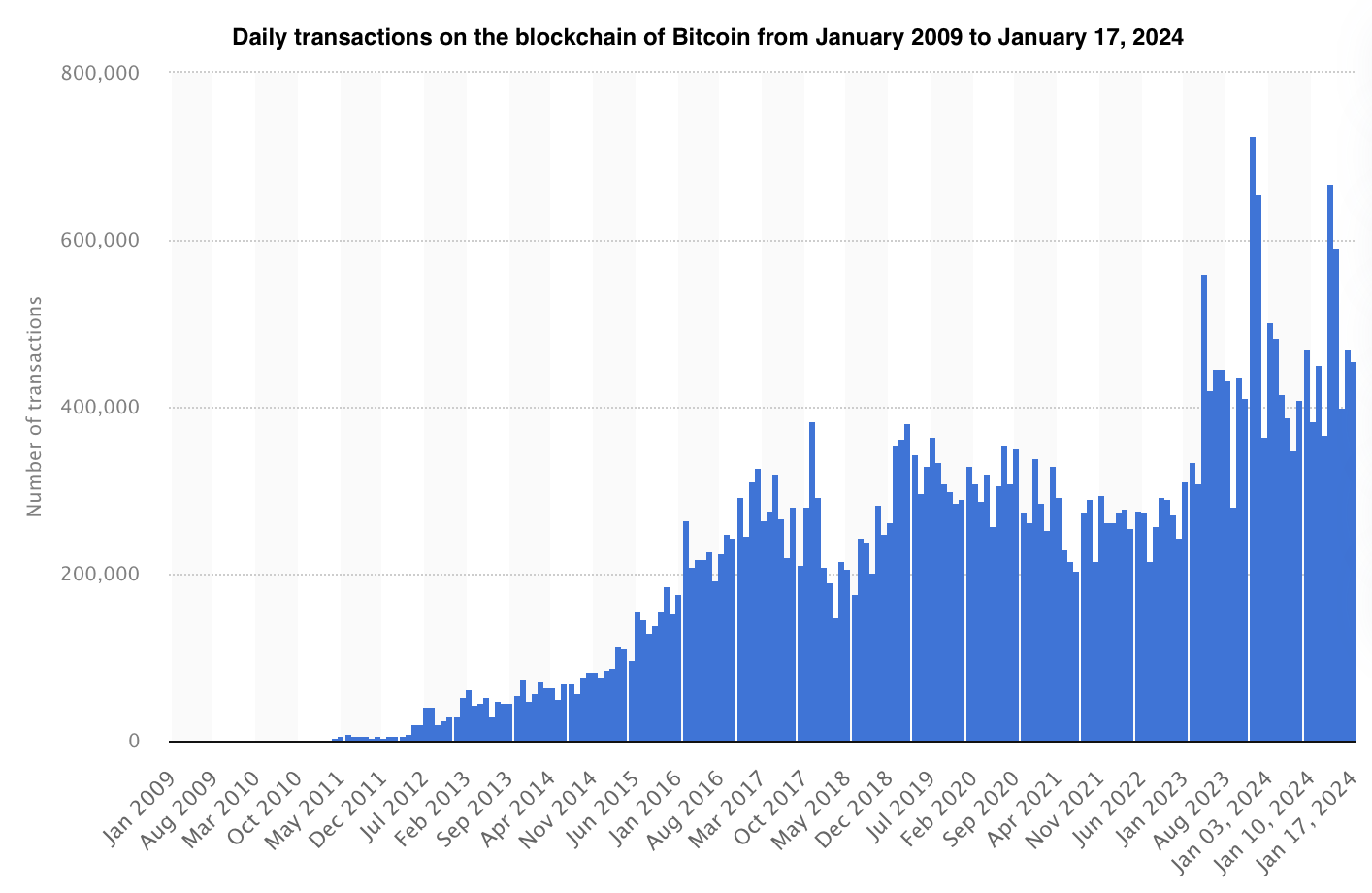
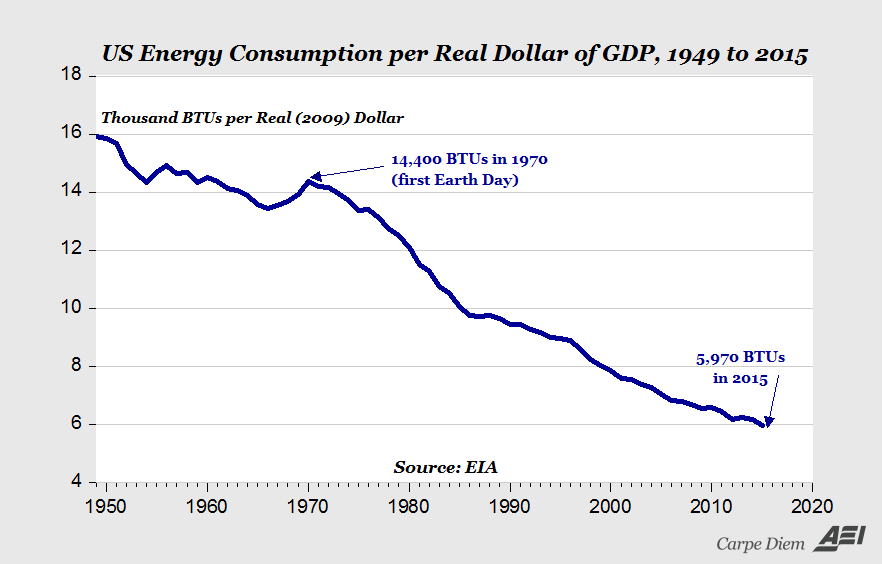
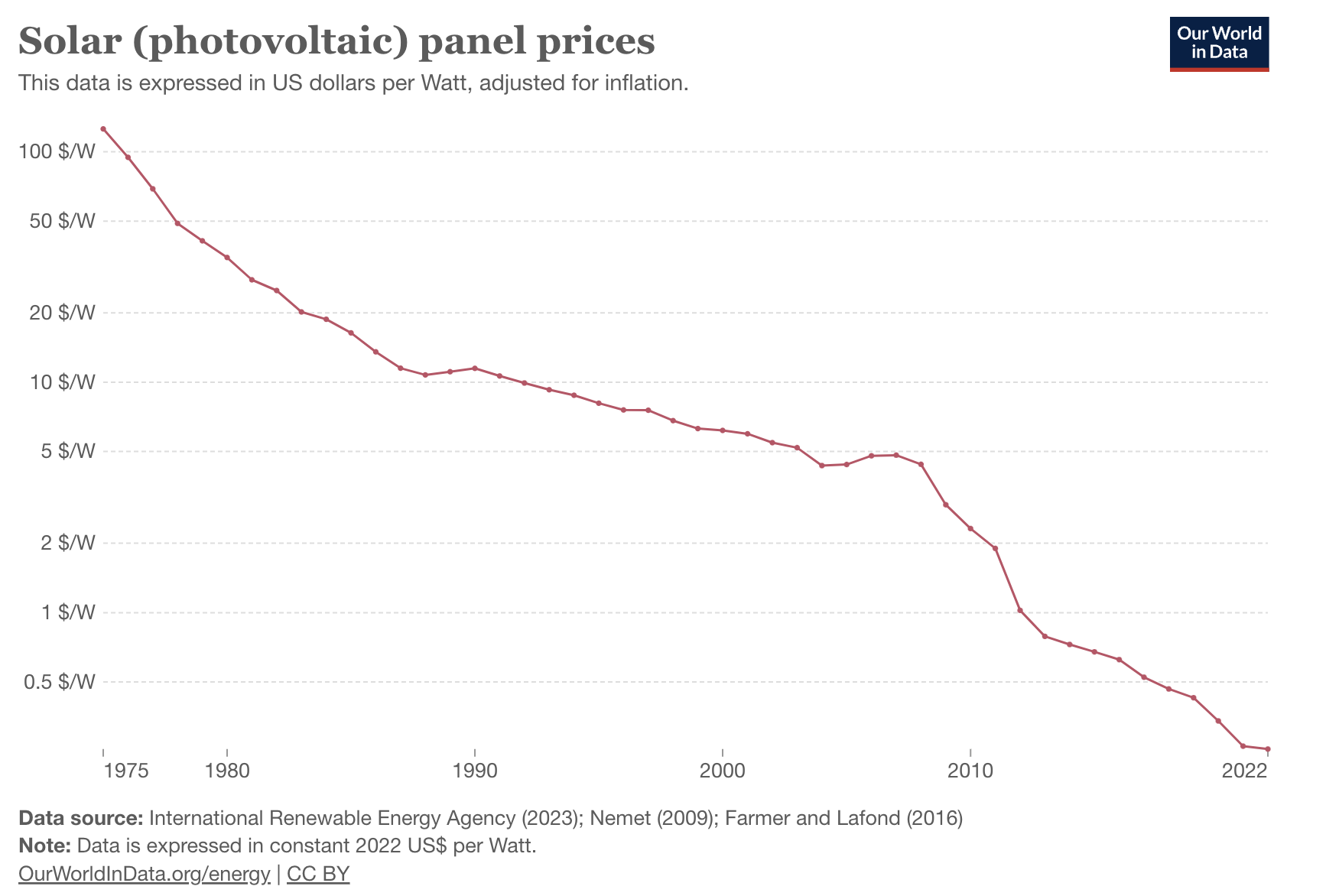
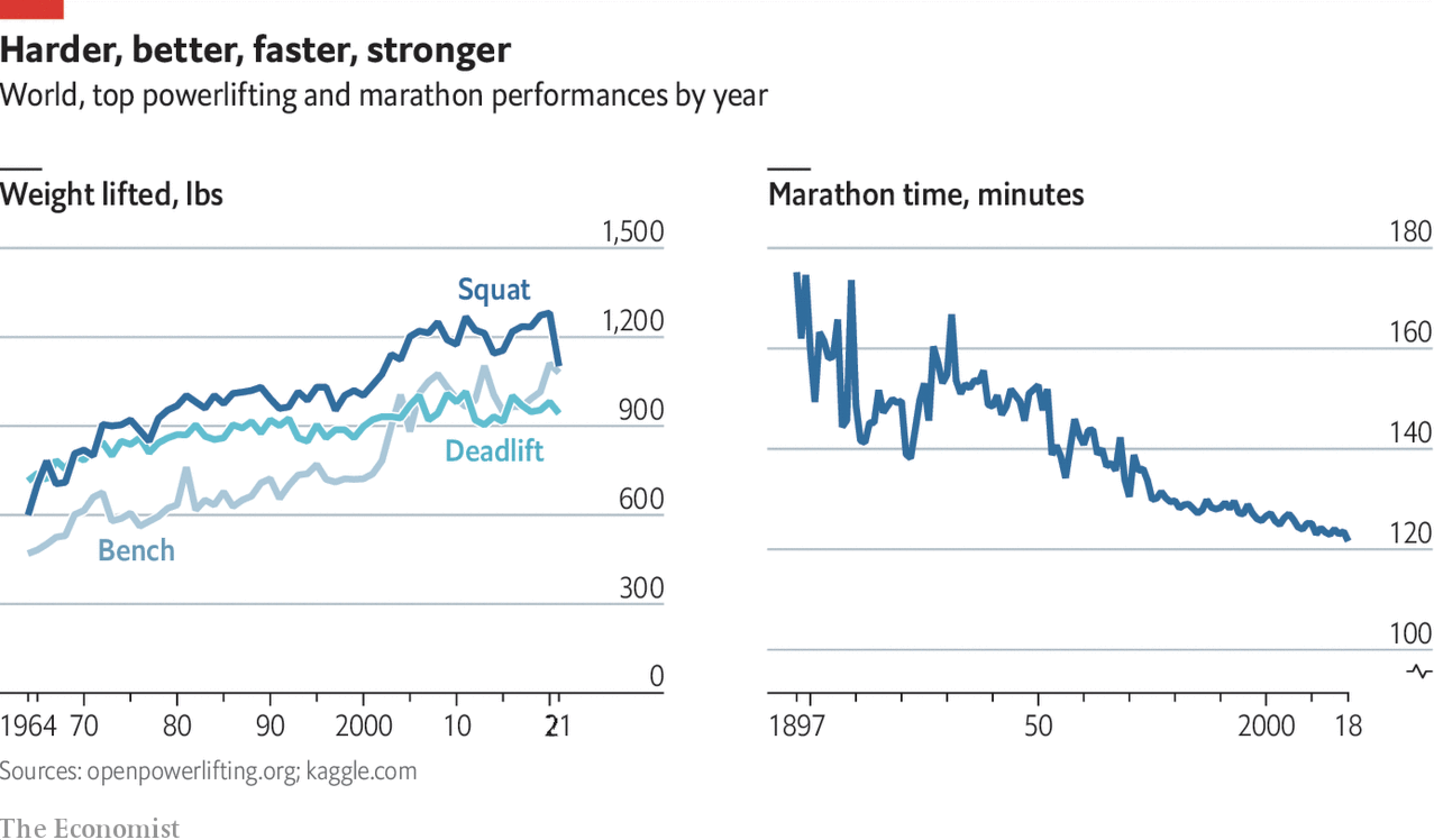
As the human species ages, innovation will continue to lead us towards a state of maximum efficiency. There will be less parties involved in securer transactions, less components in faster systems, and less energy consumed for superior outputs. This is a noticeable trend across engineering, technology, biology, finance, supply-chain, and athletics. This trend will continue until we reach a physics difficulty.
It seems somewhat impossible to run an electronics supply chain at maximum efficiency due to the current processes and technologies of involved parties. A supply chain which operates at maximum efficiency would include the following:
- Highest possible margin
- Highest possible quality
- Quickest possible lead time
Currently when sourcing electronic components, most buyers source components directly from the original manufacturer or in the open market from various types of distributors. When examining the above bullet points, these paths usually have drawbacks. The most efficient solution would be a marketplace that connects all sources and customers enabling direct transactions without an intermediary. These direct connections paired with the highest quality assurance processes would bring us closer to the above bullet points.
I am estimating that the total annual sum of electronic component broker revenues is greater than $10 billion. If this is true, a 1% market share would capture $100 million of inefficient transactions.